About Us
Sirkulare UB is a youth enterprise based in Trondheim, Norway. The company was founded on September 22, 2025, and is currently working on developing an algae-based additive with the goal of replacing ingredients from distant countries with a locally sourced product, rebuilding trust in the fishing industry by making it more sustainable and ethical, as well as scaling up algae production and putting sustainable resources in focus.
Our Inspiration
Norway is proud of its large fishing industry, especially the salmon industry which accounts for 94% of farmed fish production.
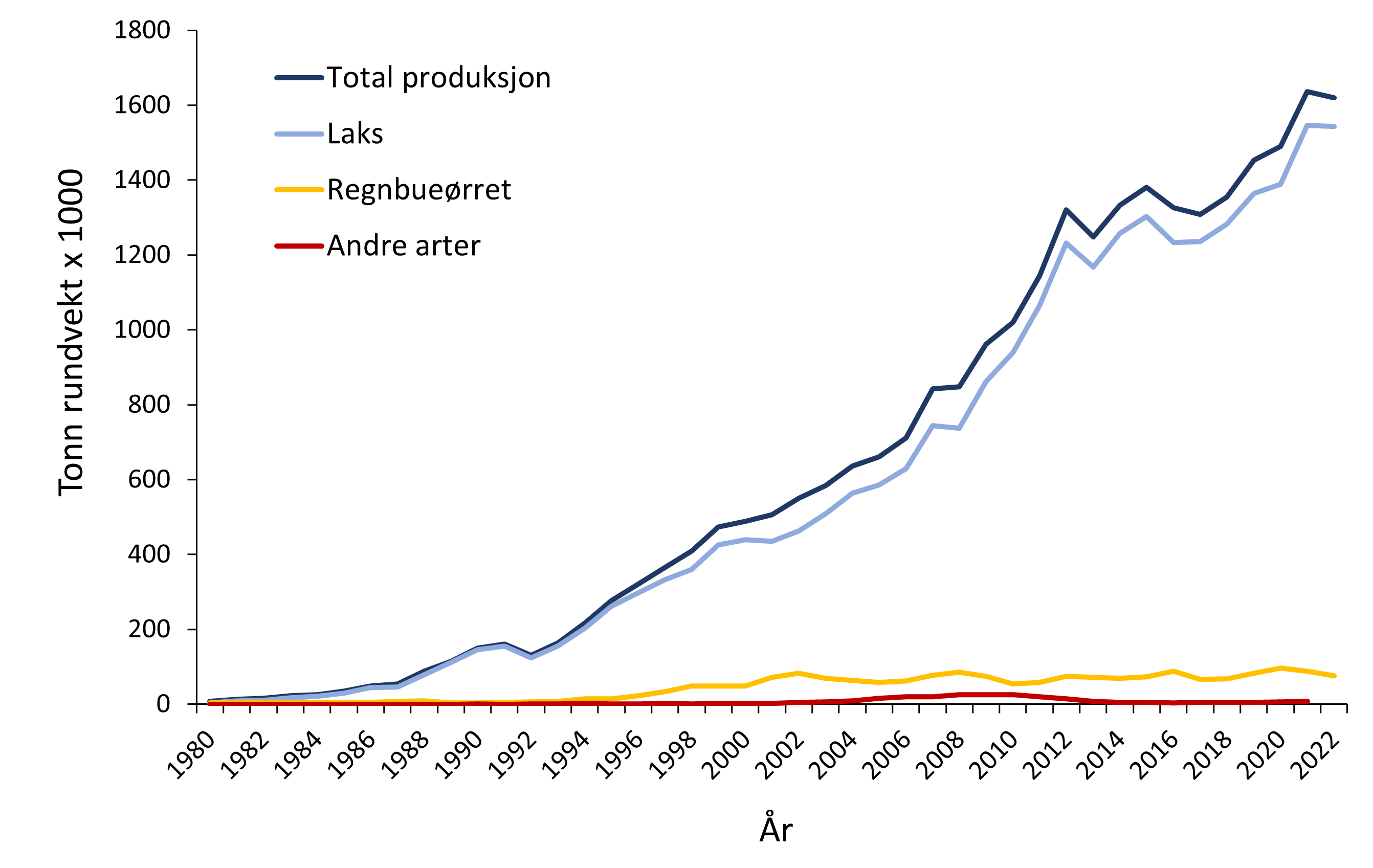
The industry is rapidly growing and is expected to grow further. In 2023, 1.52 million tons of farmed salmon were produced, and in 2025 the aquaculture industry earned 125 billion NOK from salmon exports. Fish farming will be even more important for the Norwegian economy in the future, as it is a renewable resource, unlike petroleum. However, the salmon industry has several major problems.
Some of the Problems in the Salmon Industry
-
Soy Imports
Soy, which is part of current fish feed, is imported from distant countries such as Brazil, and thus contributes to increased CO2 emissions. Soy makes up approximately 25% of the fish feed.
-
Trust
As many as 37% of Norwegians have become more negative towards farmed salmon recently, according to NRK. Ethical and environmental reasons are cited by most of those who have become more skeptical.
Our Solution
Sirkulare UB is developing an algae-based substance intended to replace a desired share of soy protein concentrate (SPC) in salmon feed. The substance will be sold to fish feed producers and will offer advantages across several areas.
-
Lower CO2 Emissions
Locally produced Norwegian algae reduces CO2 emissions both by being locally sourced and avoiding soy imports from distant countries such as Brazil, but also because CO2 is a necessary nutrient for algae cultivation. During cultivation, microalgae will be supplied with CO2 from other operations and assimilate it.
-
More Sustainable
Since our product is more sustainable overall (due to, among other things, reduced CO2 emissions and full utilization of resources), it can help rebuild trust in the aquaculture industry, as consumers will view fish farmers using our product as businesses that care more about sustainability and ethics.
-
Increased Protein Content
Our product contains 80% protein compared to 70% in SPC, which reduces the required volume by 12.5%.
-
Improved Fish Health
The product we offer contains selected non-starch carbohydrates that have positive effects on the salmon’s gut health and immune system.
Our Vision
The fish feed should improve fish health, strengthen the Norwegian economy with locally sourced resources, scale up algae production, and put sustainable resources in focus.
Our Business Idea
Sirkulare UB develops an algae-based additive for fish feed, produced from residual raw materials from the algae production of a Norwegian producer. The product primarily consists of protein, which reduces the need for imported soy. In addition, it contains selected carbohydrates that research has linked to improved fish health. By using locally sourced Norwegian algae, we strengthen both sustainability, fish welfare, and the economy in Norwegian aquaculture.
Sustainability
Our product promotes sustainability across the three dimensions of sustainable development: environmental, social, and economic.
-
Environmental
Locally sourced algae: We reduce CO2 emissions: Imported soy contributes to significant emissions. Globally, the fisheries sector emitted 77 million tons of CO2 in 2021, equivalent to the emissions of a European country over a year. Locally produced Norwegian algae cuts emissions and contributes to a cleaner environment.
Fewer chemicals: Norwegian-grown algae require no pesticides, unlike soy which is cultivated with fungicides. This reduces environmental damage caused by chemicals, such as reduced biodiversity.
Increased use of residual raw materials: We utilize residual materials from other companies, which increases the efficiency of algae production, reduces resource use, and improves profitability in this new industry where profitability is a major challenge.
-
Social
Support for local industries Collaboration with Norwegian algae producers such as FjordAlg AS strengthens rural jobs and expertise.
Knowledge exchange: Combines Norwegian traditions in algae cultivation with unique expertise from immigrants, especially from East Asia, where algae cultivation is a major industry.
Healthier society: Better fish health and increased trust in Norwegian aquaculture contribute to more people choosing fish as a protein source, which has many positive health effects.
-
Economic
Increased profitability in aquaculture: Our additive contains various substances that have health benefits for fish, meaning more fish survive disease and lice, leading to increased production without additional resource use.
New Norwegian algae industry: Creates jobs, a new value chain, and less dependence on global markets. Sirkulare UB will also help increase demand and production of algae. This will make local algae cheaper due to economies of scale.
Strengthens reputation and marketing: Sustainable feed gives aquaculture companies the opportunity for certification (e.g., ACS International) and increased willingness to pay among consumers, who are skeptical of aquaculture companies' ethics and sustainability.
Watch our pitch on YouTube
Production Process

Who are we?
We are upper secondary school students in our first year in the entrepreneurship program at Thora Storm Upper Secondary School who want to create a more sustainable future.